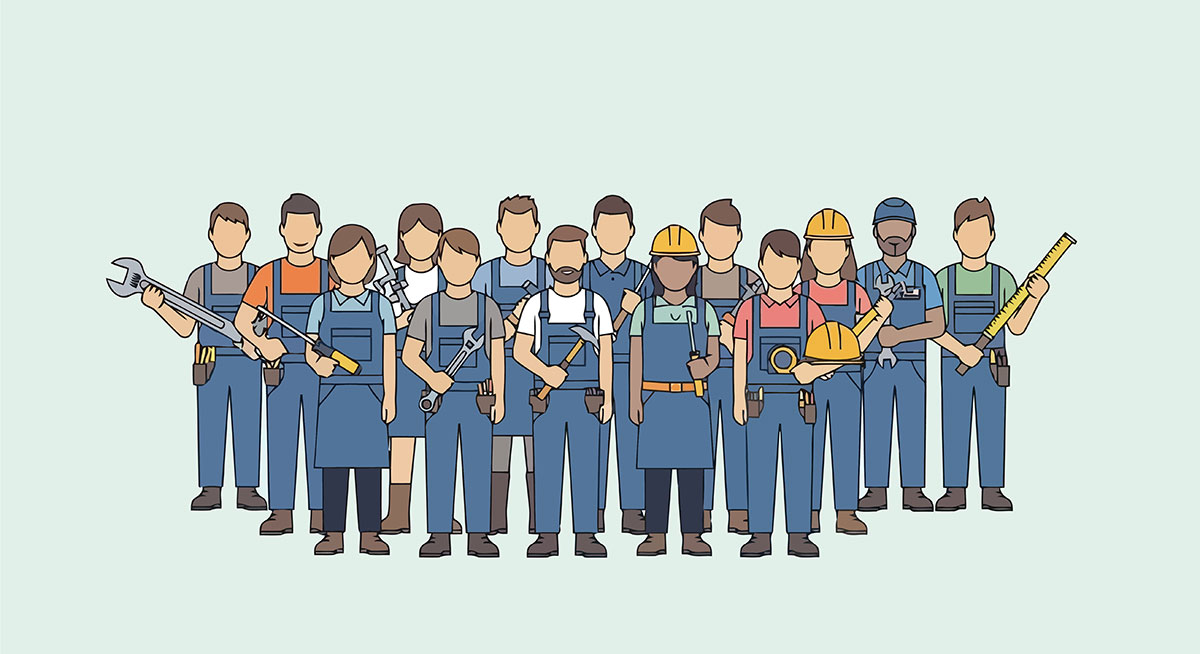
When people think about the trades, they often think about construction sites, tools, and long workdays. Those things are certainly part of the job, but there is another side to the trades that deserves more attention. Tradespeople play a huge role in keeping communities strong.
Electricians, plumbers, carpenters, and other skilled workers do more than complete projects. They help build the places where people live their lives. Schools, homes, community centers, small businesses, and hospitals all depend on the work of tradespeople.
After many years in the trades, I have come to see how closely our work is connected to the health of the communities around us. When the trades thrive, communities thrive too.
Building the Places That Matter
Think about the places that shape everyday life. The house where a family gathers for dinner. The school where children learn. The local shop where neighbors meet and talk.
Behind every one of those places is a team of tradespeople who made it possible. Carpenters frame the buildings, electricians bring power to the space, plumbers ensure water flows safely, and many other trades add their expertise.
These are not just construction projects. These are the spaces where memories are created and communities grow. Knowing that your work contributes to that is a powerful feeling.
I have always taken pride in driving past a building and knowing I helped bring it to life. It is a reminder that the trades are deeply connected to the communities we serve.
Local Skills Supporting Local People
One of the unique things about the trades is how local the work often is. Many tradespeople work close to home and serve the same communities where they live.
When something breaks, people rely on skilled workers who understand the area and care about the people who live there. Whether it is restoring power after a storm or repairing a system in a local business, tradespeople are often among the first to respond.
That connection builds trust. Communities depend on trades workers not only for skill but also for reliability. When someone shows up ready to solve a problem, it makes a real difference in people’s daily lives.
Helping Communities Grow
Trade work also supports economic growth in local areas. When new homes are built, when businesses expand, or when public spaces are improved, tradespeople are at the center of those changes.
Every project creates opportunities. New buildings attract businesses, improved infrastructure helps neighborhoods develop, and reliable services make communities more comfortable places to live.
Tradespeople often work quietly behind the scenes, but their efforts help communities move forward. The work may not always be visible after the project is complete, yet it continues to benefit people for years.
Giving Back Through Service
Many tradespeople go beyond their regular work to support their communities in other ways. I have seen electricians volunteer to repair wiring in community buildings, carpenters help restore local spaces, and plumbers step in when families need urgent repairs.
These acts of service may not make headlines, but they show the heart of the trades. Skilled workers often step up when their neighbors need help because they know their skills can make a real difference.
I have always believed that when you have knowledge and experience, you should look for ways to share it. Helping someone solve a problem or repair something important can strengthen the bonds within a community.
Passing Knowledge to the Next Generation
Strong communities depend on strong skills, and those skills must be passed down. Tradespeople play an important role in mentoring young people and introducing them to hands-on careers.
When experienced workers teach apprentices, they are not just training employees. They are investing in the future of their communities. Each new generation of tradespeople helps ensure that local skills remain strong and available.
This is one reason I enjoy speaking to students about the trades. Many young people do not realize how meaningful and rewarding these careers can be. Once they see the impact tradespeople have on their communities, their perspective often changes.
Encouraging young people to explore the trades helps keep communities resilient and prepared for the future.
Pride in Serving Your Community
There is something special about working in the same community where you live. You see the results of your work every day. You meet the people who benefit from the projects you helped complete.
That connection creates pride and responsibility. You want to do the job right because the results matter to people you know.
Tradespeople often build lasting relationships with local clients, businesses, and organizations. Those relationships strengthen trust and reinforce the idea that trades work is about more than completing a task. It is about supporting the people around you.
The Quiet Strength of the Trades
The trades are not always in the spotlight, but their impact is everywhere. Strong buildings, reliable systems, and well-maintained infrastructure are the foundation of thriving communities.
Tradespeople provide the knowledge and effort needed to keep those systems working. They solve problems quickly, respond during emergencies, and help communities recover when things go wrong.
This quiet strength often goes unnoticed, but it is essential. Without skilled workers maintaining and improving our surroundings, communities would struggle to function.
The Heart of the Community
At the end of the day, the trades are about more than construction or repair work. They are about people. Every wire connected, every pipe installed, and every structure built supports the lives of those who live in the community.
Tradespeople help create safe homes, reliable businesses, and welcoming public spaces. They provide the skills that allow neighborhoods to grow and adapt.
For me, that connection has always been one of the most meaningful parts of the work. Knowing that your effort contributes to the strength of your community is something to be proud of.
The trades may begin with tools and training, but their true impact is seen in the communities they help build and sustain every single day.